
Chocolate, the epitome of sweetness, has captivated countless consumers and become a golden business opportunity for many entrepreneurs. Benin, a promising West African nation, with its abundant cocoa resources and growing market demand, offers an excellent platform for chocolate-loving entrepreneurs. If you dream of opening a chocolate factory in Benin, this article will provide you with a detailed guide to help you build a successful chocolate brand from scratch.
Opening a Chocolate Factory in Benin – How to Do It
I. Developing a Perfect Business Plan
A well-planned business plan is crucial for success on the entrepreneurial journey. For a chocolate factory, this plan needs to cover the following core components:
- Financial Planning: Before starting, you need a clear understanding of your startup capital. This includes purchasing raw materials (such as cocoa beans, sugar, milk, etc.), production equipment, factory rental, employee salaries, marketing expenses, etc. Also, set aside some funds as emergency funds to cope with potential unforeseen circumstances. Develop a detailed budget, specifying the exact amount for each expense, and adjust it according to actual circumstances. For example, purchasing high-quality chocolate production equipment may require a higher initial investment, but in the long run, it can improve production efficiency and product quality, leading to higher returns.
- Market Analysis: What is the current state of the chocolate market in Benin? What are consumers’ preferences for chocolate? Who are the competitors? The answers to these questions will provide important basis for your business plan. Through market research, you can understand the needs, taste preferences, purchase frequency, and price sensitivity of local consumers in Benin. For example, young consumers in Benin may prefer sweet and fruity chocolates, while the mid-to-high-end market may focus more on the quality and uniqueness of the chocolate. At the same time, analyze the strengths and weaknesses of your competitors, identify market gaps, and determine the positioning and differentiation strategy of your chocolate factory.
- Sales Forecasting: Based on the results of the market analysis, develop a reasonable sales forecast. Consider sales targets for different periods (such as the initial, medium-term, and long-term stages of operation), and adjust them based on market dynamics and the effectiveness of marketing activities. Sales forecasting will help you better plan production, inventory management, and cash flow. For example, in the initial stage of operation, you can test market response through small-scale production and gradually expand production scale. (IV) Marketing Strategy: In a vibrant market like Benin, an effective marketing strategy is key to attracting customers. You can promote your brand through various channels, such as billboards, local media, and social media platforms. Display exquisite images of your chocolate and its unique selling points on billboards to attract passersby; utilize local media for publicity to increase brand awareness; create brand accounts on social media, post engaging content, and interact with consumers to attract their attention and encourage purchases. Additionally, consider holding chocolate tasting events and promotional activities to allow consumers to experience your products firsthand, thus increasing the likelihood of purchase.
II. Location and Layout: Finding the Ideal Location
The location of the factory is crucial to the success of a chocolate factory. You need to choose a location with convenient transportation, ample raw material supply, and strong market demand. Major cities in Benin, such as Cotonou and Porto-Novo, are good choices. In these cities, areas near ports or transportation hubs facilitate the transportation of raw materials and product distribution. At the same time, choosing a location near a commercial center or residential area facilitates product sales and market promotion.
The layout of the chocolate factory needs to consider the rationality of the production process. From raw material storage, processing, and packaging to finished product storage and transportation, every step needs to be carefully designed. For example, the raw material storage area should be located near the entrance for easy loading and unloading; the production workshop should be located in a central position to ensure a smooth production process; and the finished product storage area should be located near the exit for convenient product transportation. In addition, comfortable rest areas and changing rooms should be provided for employees to ensure their work efficiency and satisfaction.
III. Legal Compliance: Obtaining Necessary Licenses
Before opening a chocolate factory in Benin, you need to ensure that your business is legal and compliant. First, register your business with the local government and obtain a business license. This is a basic requirement for legal business operations and a prerequisite for conducting other business activities. Second, register with the tax department, understand and comply with Benin’s tax policies, and pay taxes on time. Furthermore, since chocolate belongs to the food industry, a permit from the health department is crucial. You need to be familiar with local food safety regulations and production requirements to ensure that your chocolate production process meets the standards. Food safety standards not only guarantee the safety and edibility of the product but also build consumer confidence in your product quality, thus establishing a good brand image for your chocolate factory. Before you begin making chocolate, you must familiarize yourself with local food safety regulations and production requirements. This includes hygiene conditions of the production facility, quality control of raw materials, and hygienic operating procedures during the production process. For example, the production workshop needs to be cleaned and disinfected regularly, and employees need to adhere to strict hygiene operating procedures, such as wearing work clothes, hats, and gloves. At the same time, you need to establish a comprehensive quality control system to strictly test raw materials and finished products to ensure product quality meets standards.
IV. Equipment and Raw Materials: Building Your Chocolate Factory
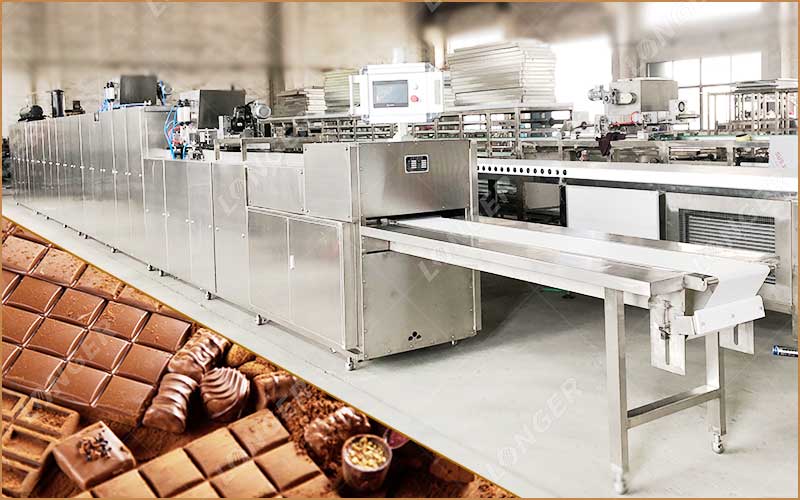
Producing delicious chocolate requires professional equipment and high-quality raw materials. When opening a chocolate factory in Benin, you need to equip your factory with suitable chocolate-making equipment. This includes chocolate processing equipment and display tools. When purchasing this equipment, you need to consider factors such as quality, performance, price, and after-sales service. Choosing reliable equipment can ensure smooth production and reduce losses caused by equipment failures; good after-sales service ensures timely repair and maintenance when equipment problems arise, ensuring production continuity.
High-quality cocoa beans are key to making delicious chocolate. Benin is one of the cocoa bean producing regions, so you can prioritize sourcing cocoa beans locally. This not only reduces costs but also supports local agricultural development. You will also need to purchase other raw materials, such as sugar, milk, and vanilla. The quality of these raw materials will also affect the taste and quality of the chocolate, so choose high-quality suppliers to ensure the quality of raw materials is stable and reliable. In addition, small-scale chocolate production units may also need to bear the extra costs of product packaging and labeling. Beautifully designed packaging can increase product appeal and enhance its added value. You can design a unique packaging style based on the preferences of your target customer group and market demand, making your chocolate stand out from the crowd.
Opening a chocolate factory in Benin, while facing many challenges, is also full of unlimited business opportunities. By carefully planning your business plan, choosing a suitable location, obtaining the necessary licenses, equipping yourself with professional equipment and raw materials, building an excellent team, developing effective marketing strategies, and continuously optimizing your operations, you can secure a place in the Benin chocolate market and realize your entrepreneurial dreams.